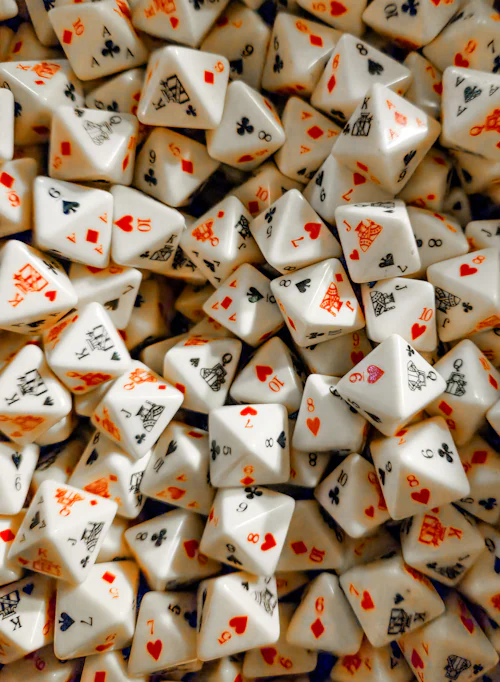
- Observación minuciosa de cada casilla en mines-game.com.co para ganar con destreza
- La Estrategia como Pilar Fundamental en el Juego de Minas
- El Análisis de Patrones y Probabilidades
- La Importancia de la Gestión de Riesgos
- Estableciendo Límites y Momentos de Retiro
- El Papel de la Psicología en el Juego de Minas
- Controlando las Emociones y Sesgos Cognitivos
- La Evolución del Juego de Minas en Plataformas Online
- Tendencias Futuras y el Juego Responsable
Observación minuciosa de cada casilla en mines-game.com.co para ganar con destreza
En el mundo del entretenimiento en línea, los juegos de azar y habilidad han ganado una inmensa popularidad. Dentro de esta categoría, los juegos de minas, con su combinación de suerte y estrategia, han capturado la atención de miles de jugadores. Una plataforma que se destaca en este ámbito es mines-game.com.co, ofreciendo una experiencia de juego emocionante y desafiante. Este juego, simple en concepto pero complejo en ejecución, pone a prueba la capacidad del jugador para discernir entre la recompensa y el riesgo.
La mecánica del juego es sencilla: el jugador se enfrenta a un campo lleno de casillas, algunas de las cuales ocultan premios, mientras que otras contienen minas. El objetivo es revelar las casillas que esconden premios, evitando caer en las minas, lo que significaría el fin del juego. La tensión y la adrenalina aumentan con cada casilla revelada, ya que cada movimiento podría ser el último. La estrategia y la intuición son claves para maximizar las ganancias y prolongar la experiencia de juego, convirtiendo cada partida en un desafío único.
La Estrategia como Pilar Fundamental en el Juego de Minas
Si bien la suerte juega un papel importante en el juego de minas, la estrategia es el factor determinante para alcanzar el éxito a largo plazo. Un jugador que se basa únicamente en el azar tiene pocas posibilidades de acumular ganancias significativas. En cambio, un jugador estratégico analiza cuidadosamente cada movimiento, considerando las probabilidades y los riesgos asociados a cada casilla. Esto implica prestar atención a las casillas que ya han sido reveladas, buscando patrones que puedan indicar la ubicación de las minas. Una buena estrategia también incluye la gestión del riesgo, sabiendo cuándo avanzar con cautela y cuándo tomar decisiones más audaces.
El Análisis de Patrones y Probabilidades
El análisis de patrones es una técnica fundamental para los jugadores experimentados de minas. Al observar las casillas que ya han sido reveladas, es posible identificar áreas del campo donde la probabilidad de encontrar una mina es mayor. Por ejemplo, si se han revelado varias casillas adyacentes a una casilla en particular, y todas ellas son seguras, es probable que la casilla en cuestión también lo sea. Sin embargo, es importante recordar que esto no es una garantía, y siempre existe un riesgo inherente al juego. Las probabilidades cambian con cada revelación, por lo que es crucial adaptar la estrategia en consecuencia. La capacidad de leer el campo y anticipar los posibles resultados es lo que separa a los buenos jugadores de los principiantes.
| Nivel de Riesgo | Probabilidad de Mina | Estrategia Recomendada |
|---|---|---|
| Alto | Mayor al 50% | Precaución extrema, evitar la casilla. |
| Medio | Entre el 25% y el 50% | Considerar la posibilidad de un premio, pero con cautela. |
| Bajo | Menor al 25% | Avanzar con confianza, aprovechando la oportunidad. |
La tabla anterior ilustra cómo evaluar el nivel de riesgo asociado a cada casilla y adaptar la estrategia en función de esa evaluación. Recuerda que esta es una guía general, y las circunstancias específicas de cada partida pueden requerir ajustes en la estrategia.
La Importancia de la Gestión de Riesgos
En el juego de minas, la gestión de riesgos es tan importante como la estrategia. Un jugador imprudente que se arriesga demasiado puede perderlo todo en un solo movimiento. Por otro lado, un jugador demasiado conservador puede perder oportunidades valiosas de acumular premios. La clave está en encontrar un equilibrio entre el riesgo y la recompensa, tomando decisiones informadas y evitando los extremos. Esto implica establecer un presupuesto de juego y respetarlo, así como saber cuándo retirarse del juego antes de perder demasiado dinero. La disciplina y la autocontrol son cualidades esenciales para un jugador exitoso. La plataforma mines-game.com.co ofrece herramientas que pueden ayudar a gestionar el riesgo, como la posibilidad de establecer límites de apuesta y de autoexclusión.
Estableciendo Límites y Momentos de Retiro
Antes de comenzar a jugar, es fundamental establecer límites claros en cuanto a la cantidad de dinero que se está dispuesto a apostar y al tiempo que se dedicará al juego. Estos límites deben ser realistas y acordes con las posibilidades económicas del jugador. Una vez establecidos, es importante respetarlos a toda costa, evitando la tentación de apostar más de lo planeado o de prolongar la sesión de juego más allá del tiempo establecido. También es importante definir un momento de retiro, es decir, un nivel de ganancias o pérdidas en el que se detendrá el juego. Esto ayuda a asegurar que el jugador se retire con ganancias, o al menos con pérdidas limitadas.
- Establecer un presupuesto diario o semanal.
- Definir un límite máximo de apuesta por partida.
- Retirarse al alcanzar un nivel de ganancias predefinido.
- Detener el juego al alcanzar un nivel de pérdidas aceptable.
Estos son algunos consejos prácticos para gestionar el riesgo en el juego de minas y proteger tu capital. Recuerda que el juego debe ser una forma de entretenimiento, y no una fuente de ingresos o una forma de solucionar problemas financieros.
El Papel de la Psicología en el Juego de Minas
La psicología juega un papel crucial en el juego de minas, ya que las emociones y los sesgos cognitivos pueden influir en la toma de decisiones. La emoción más común que experimentan los jugadores es la ansiedad, causada por el miedo a perder y la incertidumbre del resultado. Esta ansiedad puede llevar a tomar decisiones impulsivas o irracionales, como apostar más de lo planeado o ignorar las señales de advertencia. Los sesgos cognitivos, como el sesgo de confirmación (buscar información que confirme nuestras creencias preexistentes) o el sesgo de disponibilidad (dar más importancia a la información que es fácilmente accesible en nuestra memoria), también pueden distorsionar nuestra percepción de la realidad y llevarnos a cometer errores. Ser consciente de estos factores psicológicos y aprender a controlarlos es fundamental para tomar decisiones más racionales y mejorar el rendimiento en el juego.
Controlando las Emociones y Sesgos Cognitivos
Una de las formas más efectivas de controlar las emociones y los sesgos cognitivos es practicar la atención plena o mindfulness. La atención plena consiste en prestar atención al momento presente, sin juzgar ni analizar. Esto ayuda a reducir la ansiedad y a tomar decisiones más conscientes. También es importante ser consciente de nuestros propios sesgos cognitivos y esforzarse por corregirlos. Por ejemplo, si te encuentras buscando información que confirme tu creencia de que una determinada casilla es segura, debes esforzarte por buscar información que la contradiga. Además, tomar descansos regulares durante la sesión de juego puede ayudar a reducir la fatiga mental y a mantener la concentración. El juego responsable, promovido por mines-game.com.co, es fundamental para disfrutar de la experiencia.
- Practicar la atención plena y la relajación.
- Identificar y corregir los sesgos cognitivos.
- Tomar descansos regulares durante el juego.
- Evitar jugar bajo estrés o influenciado por emociones fuertes.
Siguiendo estos consejos, puedes mejorar tu control emocional y tomar decisiones más racionales en el juego de minas.
La Evolución del Juego de Minas en Plataformas Online
El juego de minas ha evolucionado significativamente desde sus inicios como un simple juego de computadora. Las plataformas online, como mines-game.com.co, han introducido nuevas características y funcionalidades que han enriquecido la experiencia de juego. Estas incluyen gráficos más sofisticados, efectos de sonido envolventes, sistemas de bonificación y recompensas, y la posibilidad de jugar con otros jugadores en tiempo real. Además, algunas plataformas ofrecen diferentes niveles de dificultad y modos de juego, lo que permite a los jugadores adaptar el juego a sus preferencias y habilidades. La evolución del juego de minas en plataformas online ha contribuido a su creciente popularidad y ha atraído a una nueva generación de jugadores.
Tendencias Futuras y el Juego Responsable
El futuro del juego de minas parece prometedor. Se espera que las plataformas online sigan innovando y ofreciendo nuevas características y funcionalidades para mejorar la experiencia de juego. La realidad virtual y la realidad aumentada podrían desempeñar un papel importante en la evolución del juego, permitiendo a los jugadores sumergirse en un entorno virtual más realista e interactivo. Sin embargo, es fundamental que estas innovaciones se acompañen de medidas para promover el juego responsable y proteger a los jugadores vulnerables. La prevención de la adicción al juego y la promoción de hábitos de juego saludables deben ser prioridades para las plataformas online y los reguladores. La transparencia, la información clara y la disponibilidad de herramientas de autoexclusión son elementos esenciales para garantizar un entorno de juego seguro y responsable. El futuro del juego de minas depende de la capacidad de las plataformas online para equilibrar la innovación con la responsabilidad social.
La popularidad sostenida de los juegos de minas como los ofrecidos en plataformas como mines-game.com.co demuestra su atractivo inherente. La clave está en disfrutar del juego como un pasatiempo y no como una fuente de ingresos, siempre manteniendo un control responsable sobre el tiempo y el dinero invertido.
La combinación de estrategia, suerte y una gestión prudente del riesgo es lo que define la experiencia de juego en este emocionante desafío. Mantener una mentalidad clara y disciplinada, junto con la conciencia de los posibles sesgos psicológicos, te ayudará a maximizar tus posibilidades de éxito y a disfrutar del juego al máximo.